

By blessing and mercy of Lord Jesus Christ, praise be to our God, I got an opportunity to speak about history of my church (church where I attend holy service and participate in Holy Qurbana), during parish day.
Glory be to the Triune God – glory be to the Father, the Son, and the Holy Spirit, now and always, forever. Amen. †
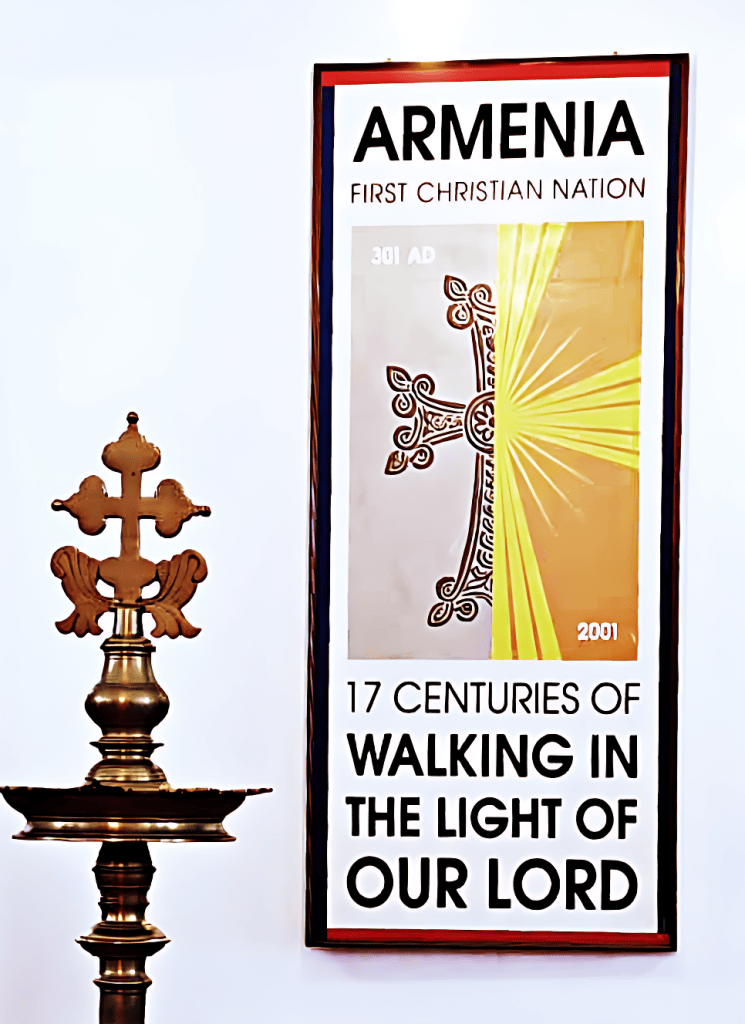
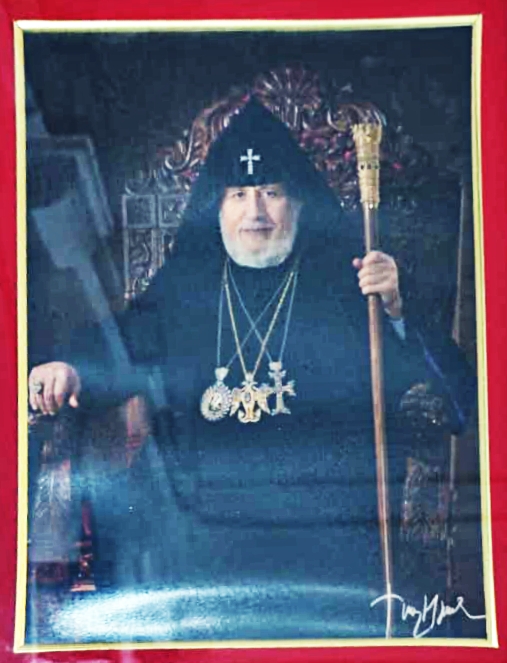
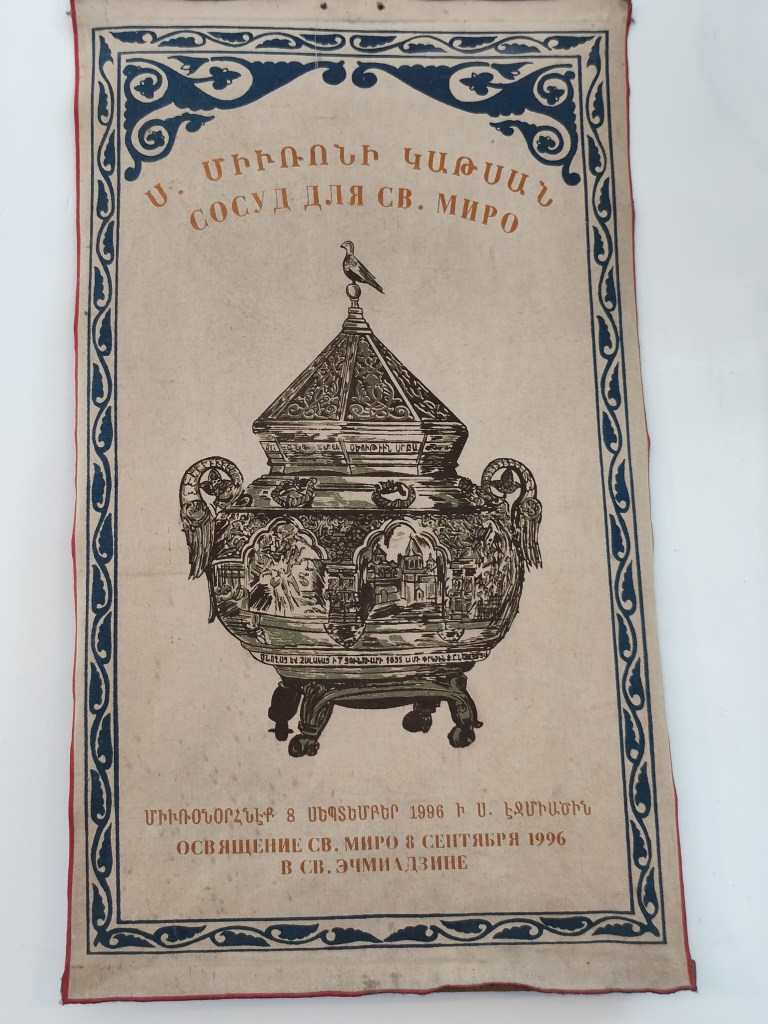
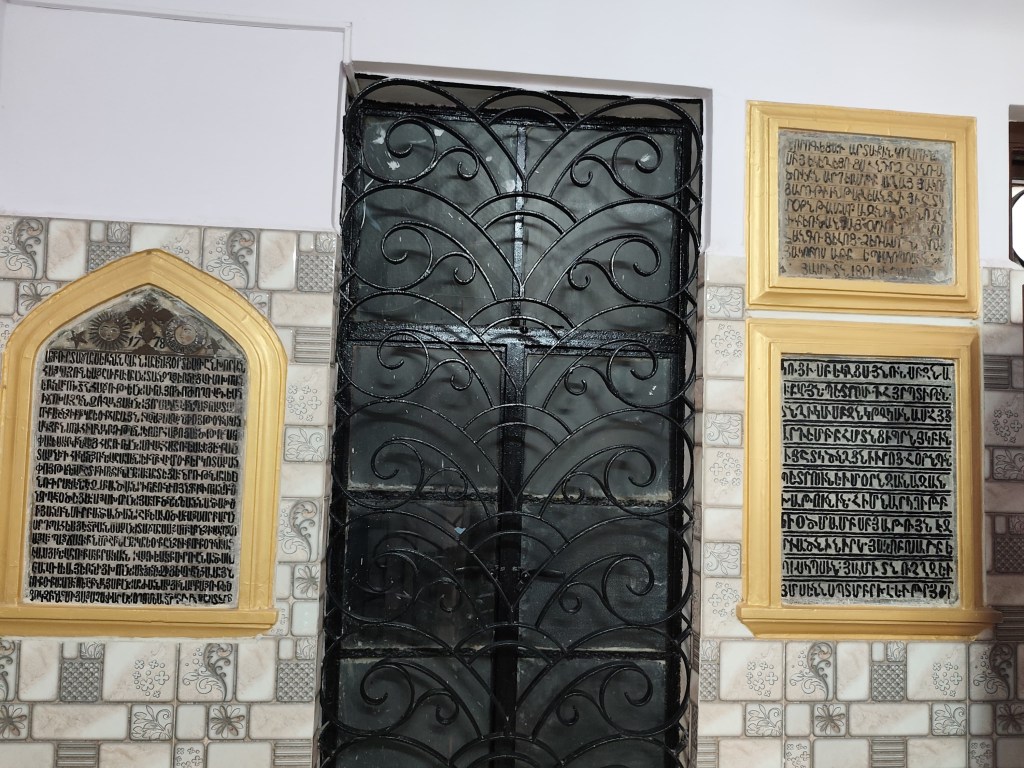
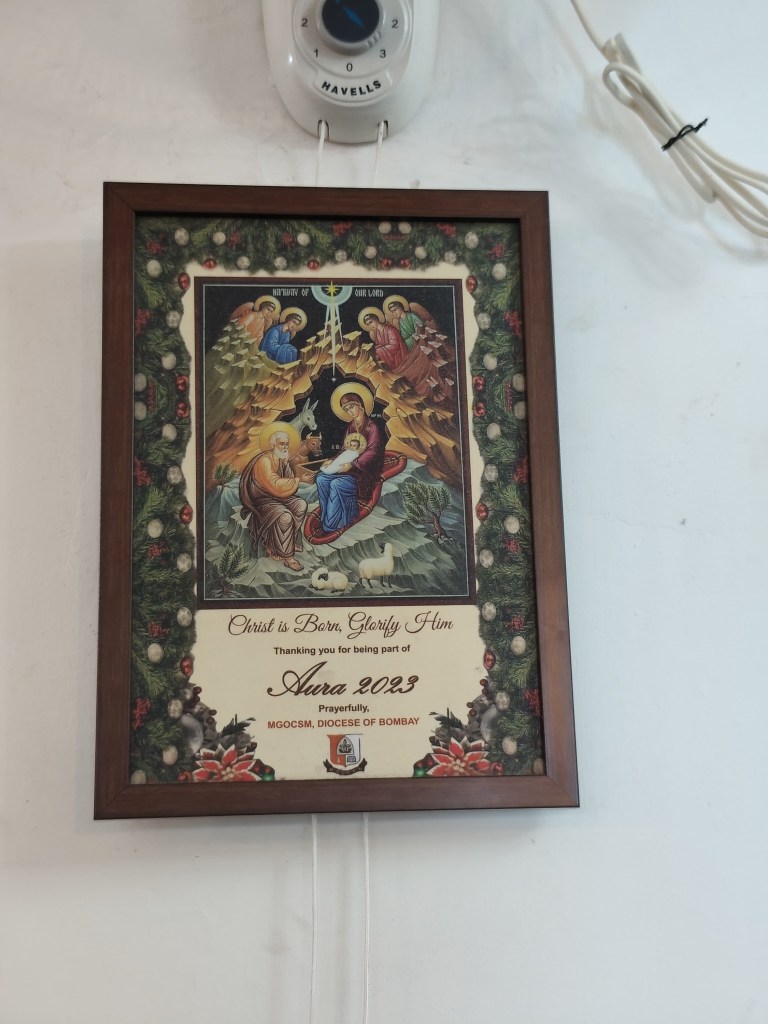
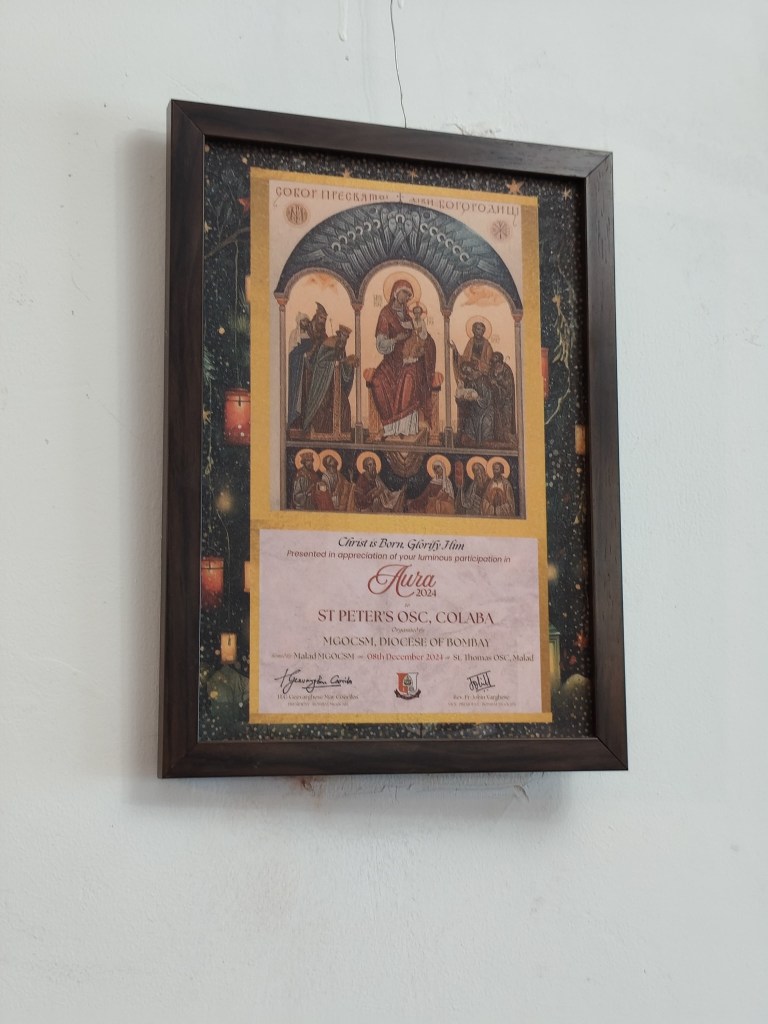
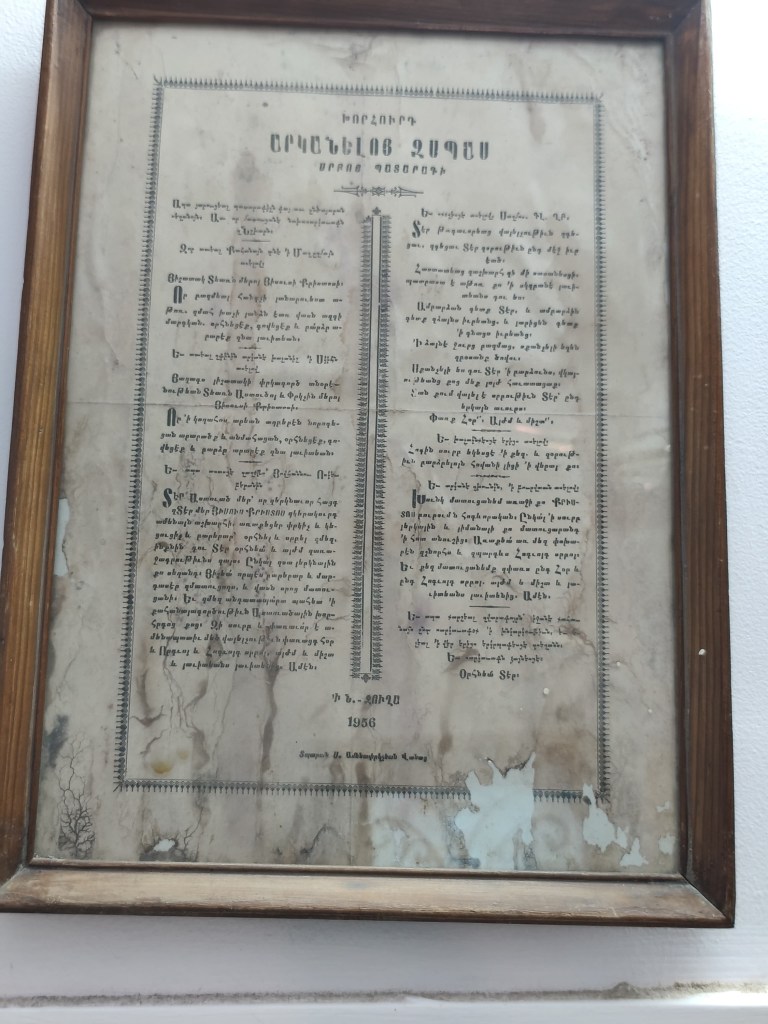
Our respected bishop, His Grace Dr. Geevarghese Mar Theophilus, our beloved vicar, Rev. Fr. Vargheese Yohannan Achen, and dear brothers and sisters in Christ, I greet you all with the grace and peace of our Lord Jesus Christ.
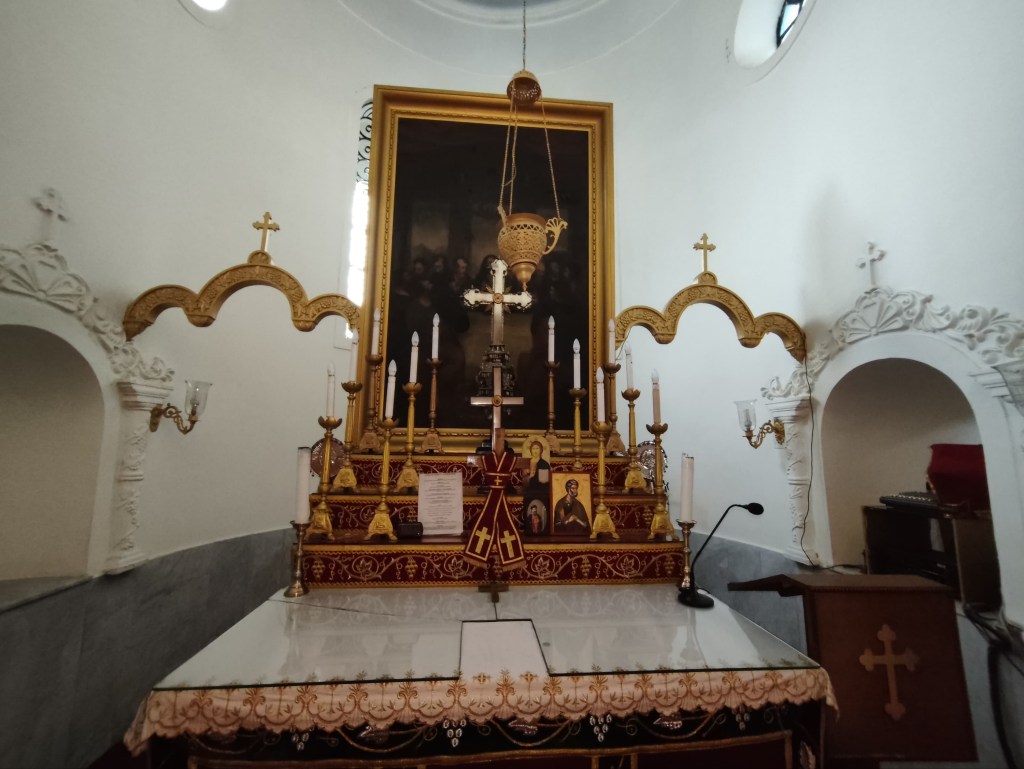
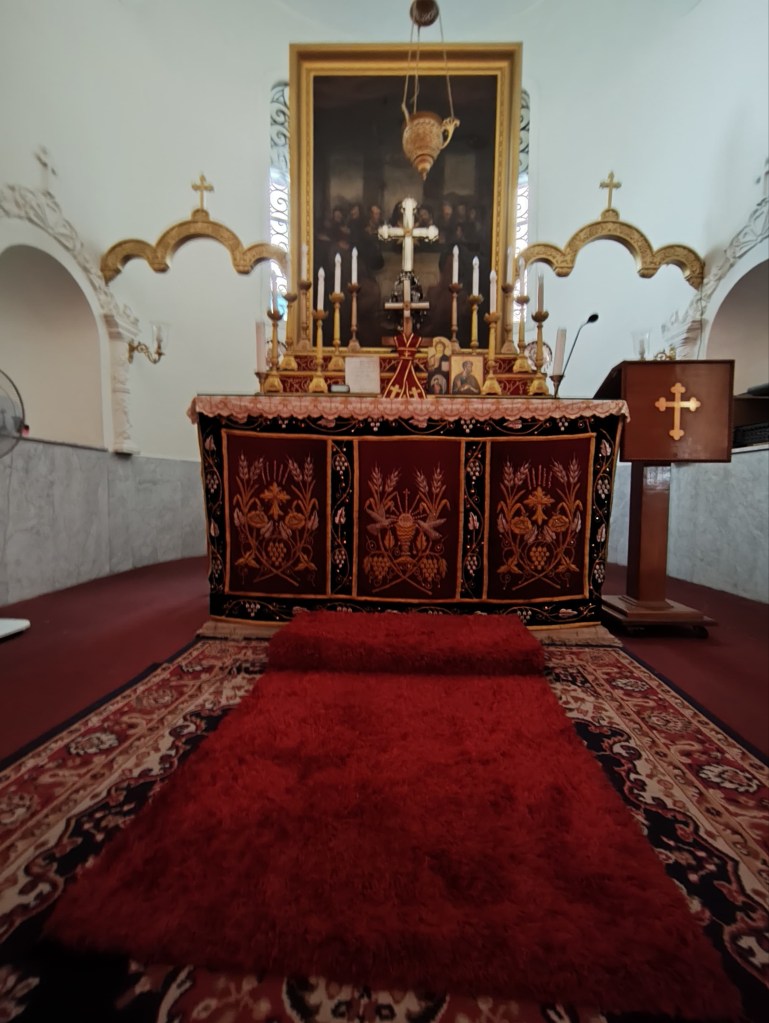
It is a great joy and privilege to share the story of this beautiful church-St. Peter’s Armenian Church here in Fort, Mumbai. This is not merely a tale of bricks and history, but a testament to the boundless grace of our Lord Jesus Christ.
We are deeply blessed to gather here in peace and fellowship/ koinonia, especially after celebrating the Holy Qurbana, while acknowledging that many of our brothers and sisters in India, Nigeria, and other parts of the world face hardship and persecution for the same faith we freely profess.
Today, as we recall the history of this church, let us also remember that every page of its story bears witness to God’s enduring mercy and providence.
A Sacred Connection and Prophetic Blessing
In March 1895, Saint Gregorios of Parumala, accompanied by Saint Dionysius Vattasseril,(both Saint Gregorios of Parumala and Saint Dionysius Vattasseril have been canonized as saints by the Malankara Orthodox Syrian Church) passed through Bombay on their blessed pilgrimage to the Holy Land.
During his stay in Colaba, Parumala Thirumeni expressed a deep longing to celebrate the Holy Qurbana here, within the sacred walls of this very Armenian Church of St. Peter.
Though circumstances did not permit it at the time, he later recorded these prophetic words: “It would be a great blessing if one day a priest from Malankara could celebrate the Holy Eucharist in this church.”
That heartfelt wish of our saintly father was fulfilled a century later by God’s grace – a beautiful reminder that God’s love and mercy never fail.
The Armenian Heritage in India
The Armenian presence in India is among the earliest stories of Christianity on our soil.
The Armenians arrived here long before European traders, traveling through Persia, Afghanistan, and Tibet.
Their community flourished between the 16th and 18th centuries, and though small in number, they became influential merchants and jewellers who contributed greatly to India’s commerce and culture.
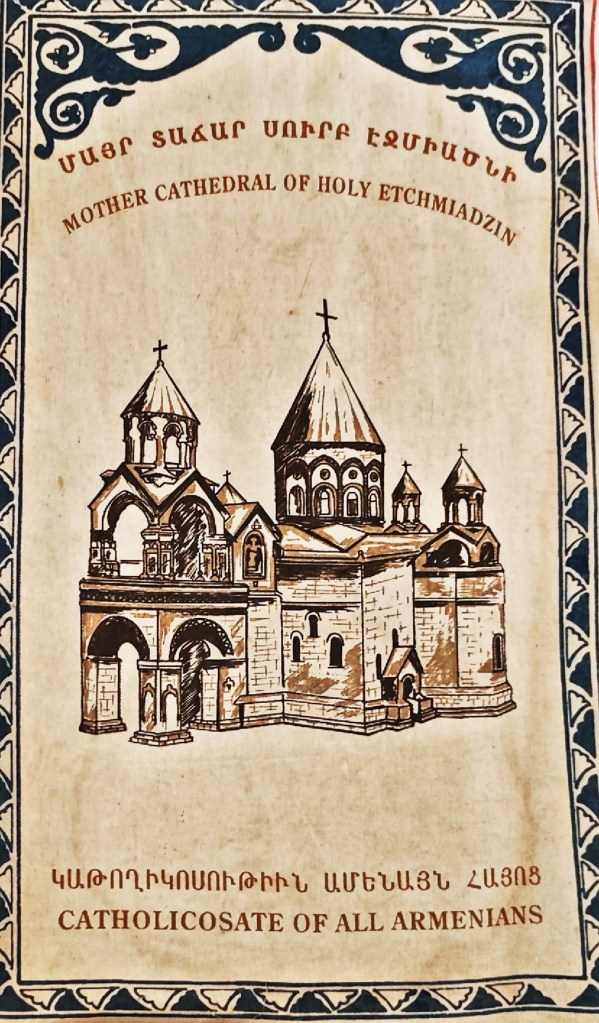
During the British period, they established their socio-cultural identity by founding churches and educational institutions in key port cities such as Kolkata, Chennai, and Mumbai.
Today, most Indian Armenians live in Kolkata, and Mrs. Zabel Joshi, mother of actress Tulip Joshi, is recognized as the sole registered Armenian resident of Mumbai, a symbol of a once flourishing community.
Foundation of the Armenian Church, Mumbai
The Armenian Church in Mumbai is believed to have been founded by relatives of Mariam, one of the queens of Emperor Akbar.
It became a functioning parish around 1773, through the initiative of the Eknan family.
Mrs. Rosy Eknan, the last surviving member of that family, lived in the residence attached to this church until her passing a few years ago.
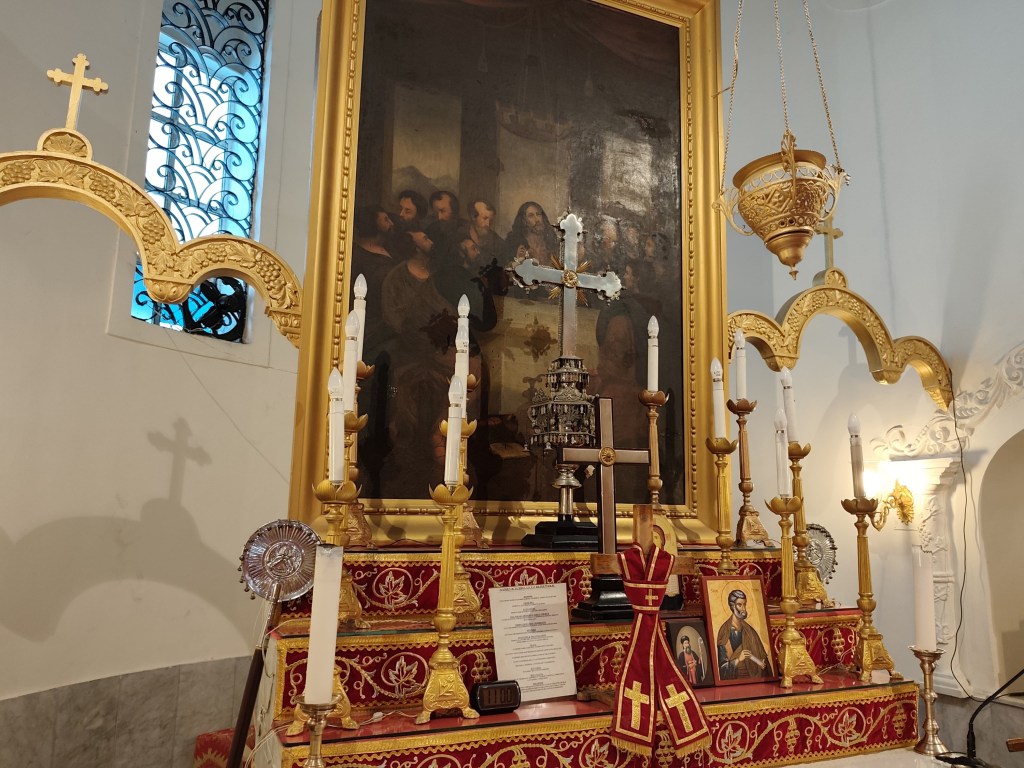
In 1796, Jacob Petrus of Hamadan, Persia, erected this church in honour of St. Peter the Apostle.
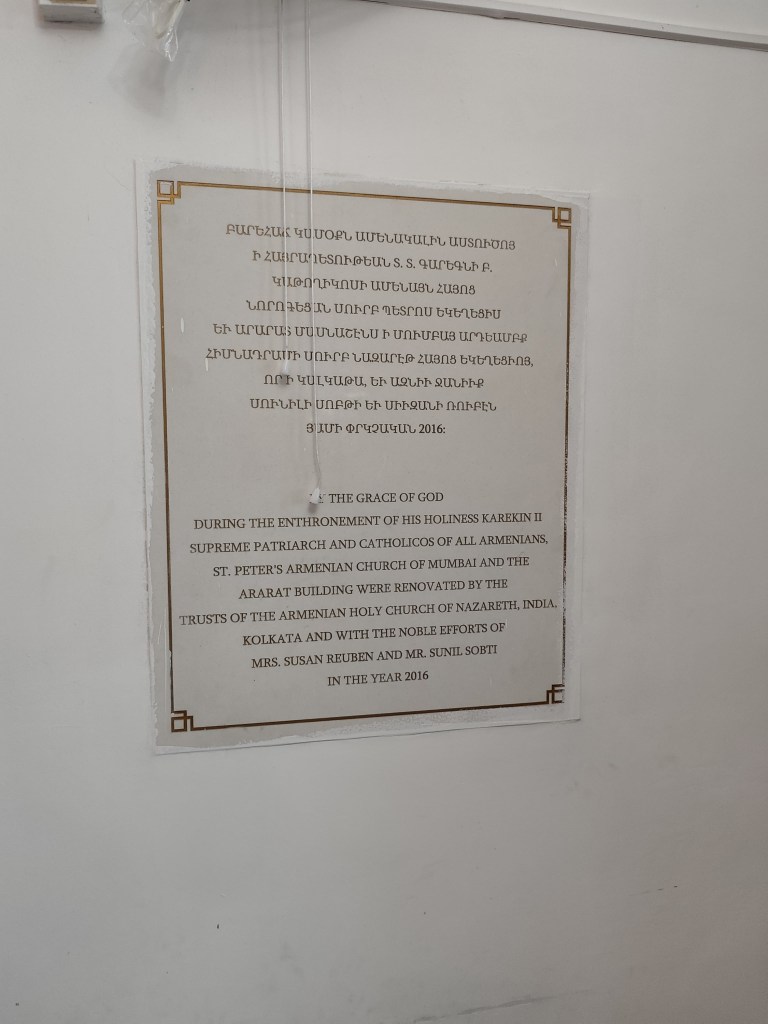
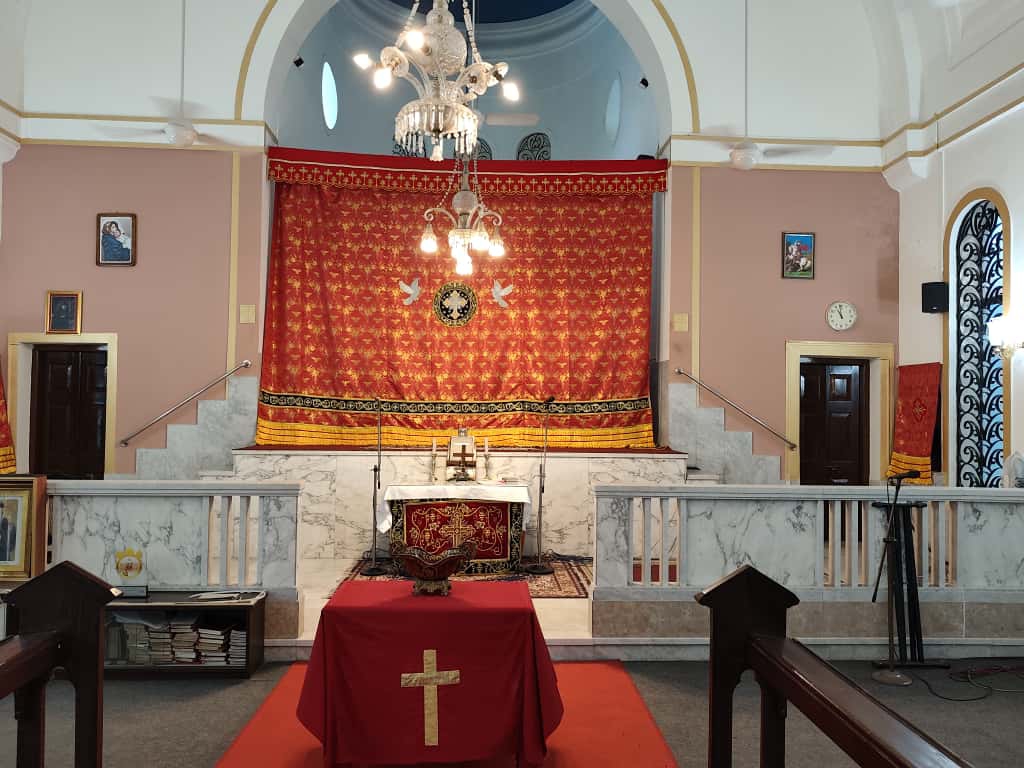
Over time, the original building deteriorated and was replaced by the present structure in 1957, designed by Mr. M. H. Altounian, a noted Armenian architect from Beirut.
The foundation stone was blessed by Archbishop Yeghishe Derderian of Jerusalem in June 1956, and the new church was consecrated on April 14, 1957, by Bishop Terenik Poladian.
The building was aptly named “Ararat”, recalling the biblical Mount Ararat, where Noah’s Ark came to rest – a symbol of renewal and hope.
This holy church was later honoured by the visit of His Holiness Karekin II, the Supreme Patriarch and Catholicos of All Armenians, on March 3, 2007.
The Malankara Orthodox Connection
The Malankara Orthodox Syrian Church shares a deep and blessed connection with this sacred place.
As early as 1863, Fr. Joseph Pulikottil—who would later become Pulikottil Joseph Mar Dionysius V, Malankara Metropolitan (1864–1909)—resided here with four members of his entourage. During his journey to Mardin (Tur Abdin), Turkey, for episcopal consecration by Patriarch H. H. Ignatius Yacob II of Antioch, he conducted the Holy Eucharist within these hallowed walls, marking one of the earliest Orthodox liturgical celebrations in this church.
As mentioned earlier on 10 March 1895, St. Gregorios of Parumala and St. Dionysius Vattasseril, accompanied by their entourage, visited this church en-route to the Holy Land.
In June 1934, H. H. Baselios Geevarghese II, the 86th Catholicos of the East and 16th Malankara Metropolitan, resided in the church annexe with C. M. Thomas Remban and Fr. Alexious—who would later become Thoma Mar Dionysius Metropolitan of Niranam Diocese and Alexious Mar Theodosius Metropolitan of Kollam and Outside Kerala Diocese, respectively. Along with several priests and laymen, they celebrated the Holy Eucharist, further deepening the spiritual bond between the Armenian and Malankara Orthodox traditions.
On October 7, 1998, that long-cherished wish of Parumala Thirumeni was finally fulfilled when H. H. Baselios Marthoma Mathews II, our Catholicos and 19th Malankara Metropolitan, celebrated the Holy Qurbana here, joined by His Grace Geevarghese Mar Coorilose, our Diocesan Metropolitan.
This blessed moment—marking the beginning of regular Orthodox worship in this church—was made possible through the unwavering vision and faith of our beloved Dr. Sunny Pariyaram, a prominent figure in both the YMCA and the Mumbai Christian fraternity, whose deep devotion rekindled this historic connection.
The Journey of St. Peter’s Orthodox Parish, Colaba
In the 1930s and 1940s, Orthodox believers in Mumbai already attended services here alongside the Armenian faithful.
From 1964 to 1986, South Mumbai Orthodox families gathered twice a month for worship at the Afghan War Memorial Church, and later, from 1989 to 1993, at St. Joseph’s School, Colaba.
Finally, from October 1998, St. Peter’s Orthodox Parish began regular services in this very church – first on alternate Sundays, and from June 2012 onward, every Sunday.
Today, Namaskaram begins at 7:30 a.m., followed by Holy Qurbana at 8:30 a.m., with around 25 dedicated members worshipping faithfully each week.
The Supreme Catholicos of All Armenians in Yerevan has officially recognized the Malankara Orthodox Syrian Church as a true sister church, affirming our shared apostolic faith and Oriental Orthodox communion.
Conclusion
Respected elders, beloved brothers and sisters in Christ, St. Peter’s Armenian Church is much more than a building. It is built by Armenian hands, blessed by Armenian and Malankara saints, and preserved by divine grace – stands today as a living testimony of unity in the Body of Christ.
Here, two ancient Orthodox traditions meet and merge; here, prayers in Malayalam, English and Armenian rise together like incense before one Lord Jesus Christ.
As we celebrate this 27th anniversary, let us thank God for His faithfulness, for the vision of our saints, and for the grace that continues to guide this church.
May St. Peter’s Armenian Church forever remain a beacon of faith, unity, and love,
a bridge between the Armenian and Malankara Orthodox Churches, testament of God’s love and a radiant witness of the Gospel in the heart of Mumbai.
I would like to end with a quote from St. Ignatius of Antioch (circa 35–107 AD):
“The Church is the place where God dwells, the Kingdom of Heaven on earth. It is not a building made by human hands, but the living Body of Christ, the gathering of those who follow Him in faith and love.”
To God be all glory, honour, and praise – now and always. Forever. Amen.
~J George Thomas (A R Thomas)


Leave a Reply